


March 24, 2026
A Step-by-Step Guide to the Process of Interior Design Project Management in Los Angeles
Key Takeaways:
- Logistics have a major impact on the interior design project management process, especially in Los Angeles.
- The most important part of the step-by-step interior design process is arguably the procurement and tracking phase.
- Even though most professional interior designers approach projects in steps, the process is rarely linear.
Send a mood board and three weeks later you get to kick back in your new living room with some stylish curtains, sconce lights, and those built-in shelves you’ve always wanted. Interior design. That’s pretty much how it goes, right?
Well, not really.
From a professional standpoint, interior design project management in Los Angeles is less about choosing fabrics and more about sequencing trades, coordinating inspections, securing hillside access, and making sure custom millwork arrives before your painter blocks the schedule.
The creative decisions are important, of course, yet the logistics are what determine whether a project runs smoothly or spirals into total frustration.
This guide to interior design in Los Angeles walks through the step-by-step process as it unfolds on real projects in this city.
Step 1: Evaluation Before Design
Before anyone talks about marble or paint tones, the interior design process in Los Angeles begins with a hard look at the house itself.
- What’s the electrical panel capacity?
- Are we in a WUI zone?
- Is the home on a slope?
- Will structural changes trigger a plan check review?
Interior design project management in Los Angeles starts with those questions because they affect everything downstream. If the panel can’t handle additional lighting loads or future electrification, that influences fixture selection. If you’re in a wildfire-prone area, window and material specifications change immediately. In older homes, framing inconsistencies may require reframing before cabinetry can even be installed.
This isn’t the exciting part of the job. It’s foundational.
Step 2: Concept Development
Once all of that is mapped out, the creative direction begins. But in Los Angeles, the concept can’t float independently from supply chain logic.
Let’s say a client loves a specific imported limestone they saw on a list of interior design trends. The lead time on it is 16 weeks. The cabinetry shop requires final dimensions before templating. The countertop fabricator can’t schedule installation until the cabinets are installed. Suddenly, the stone selection influences the entire construction calendar.
That’s why interior design project management in Los Angeles integrates procurement strategy during the concept phase.
If some material needs to be shipped from overseas, we’ll confirm it’s available before we commit. Or if there’s a lighting fixture a client likes that needs to be custom-made, we’ll adjust the electrical rough-in schedule accordingly.
The step-by-step interior design process here is iterative. Concept, verify, revise.
Design without logistics is theory. With logistics, it’s buildable.
Step 3: Procurement and Tracking
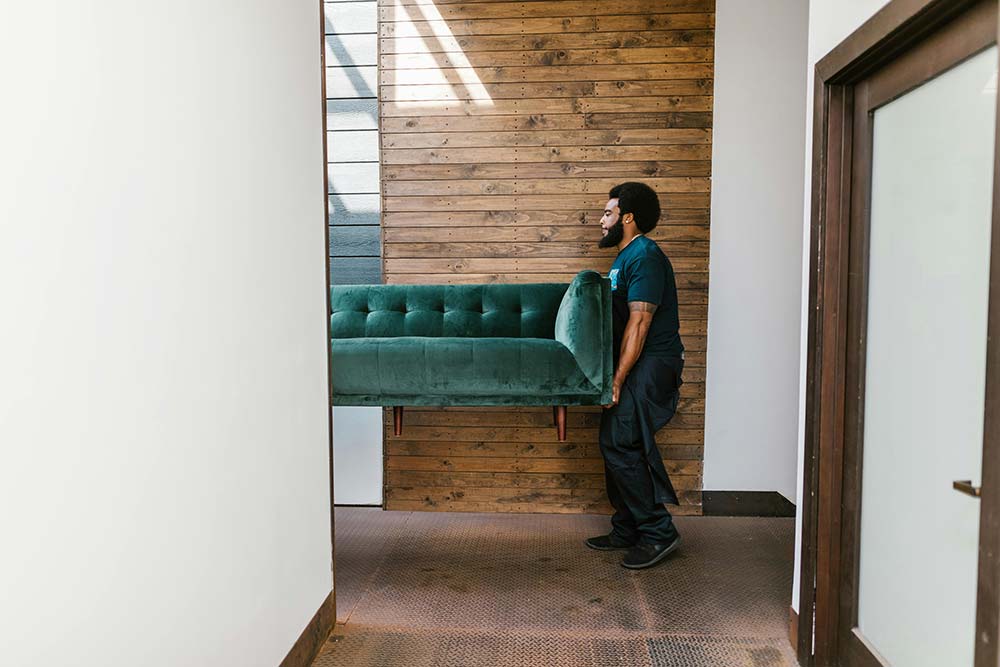
This is the part nobody sees on Instagram.
- Purchase orders
- Vendor confirmations
- Freight scheduling
- Storage coordination
- Damage inspections upon delivery
In dense neighborhoods, delivery timing is wildly important. Parking restrictions can force rescheduling fees if not planned carefully.
Interior design project management in Los Angeles lives in this middle step zone. Spreadsheets are just as important as sketchbooks.
Furniture might arrive before the flooring is finished. Lighting may need to be stored off-site until painting wraps. Custom upholstery could require inspection before final payment is released.
Basically, every item needs a path, and every path needs tracking.
In many projects, this phase takes longer than the creative work. Yet it’s rarely discussed in traditional descriptions of the Los Angeles interior design process.
Step 4: Site Coordination
Even with meticulous planning, construction sites can surprise you.
The walls might not be perfectly square. A concealed beam might pop up during demolition. Inspectors are now requesting clarifications that change the timeline.
If there’s one thing we’ve learned after years in this business, it’s that interior design project management in Los Angeles requires constant recalibration.
Designers coordinate with contractors to adjust cabinet measurements by fractions of an inch. Lighting plans may change if the ceiling frame does. Tile layouts have to get redrawn when plumbing moves.
This is where communication matters the most. Decisions can’t float in the ether for weeks. Trades need to be scheduled tightly. Any delayed answers can send ripples through the calendar.
On a hillside property, access constraints might require project managers to schedule a crane to deliver large furniture pieces. For older homes, updated seismic bracing can affect millwork detailing. Every adjustment must protect both timeline and budget.
The interior design process in Los Angeles is rarely linear. Our team is constantly adapting.
Step 5: Installation
Here’s the fun part that most people think about when they hear the term “interior design.”
Placing furniture. Testing out lighting. Scaling artwork ever-so-perfectly between the floor and ceiling.
All of these final touches are documented and tested before final payments are released.
However, interior design project management doesn’t end once furniture is delivered. It continues through warranty tracking, vendor follow-ups, and any last-minute adjustments.
The final stage of the step-by-step interior design process often determines how the client feels about the entire experience. That’s why we focus so much of our energy on the details.
Why Interior Design in Los Angeles Benefits from Professional Management
As an interior design project management team in Los Angeles, we have to operate differently from most cities.
Delivery windows often get squeezed by traffic. Permit reviews take longer than expected. Fireproofing requirements and energy codes can affect how we view interior and exterior specs.
Add that to the variation between neighborhoods, from Torrance to Culver City and all the way into Whittier, and there are hundreds of different variables to coordinate.
So while it may seem like the step-by-step interior design process can be condensed into a straight line of five tidy stages, it actually behaves more like an overlapping spiderweb. Concept influences sourcing, which in turn affects scheduling, which then determines how and when the installation process takes place.
Project management is essential for interior designers because it sits in the middle of those moving parts and takes charge to ensure the plan doesn’t collapse when surprises arise.
Bottom Line
If you’re considering hiring an interior design project management team for your Los Angeles property, we hope this guide gives you a better understanding of the operational perspective and how it shapes how interior designers approach proposals and timelines.
The step-by-step interior design process requires serious orchestration. And in Los Angeles, where standards are high, orchestration makes all the difference.
Get in touch with the 5S Interior Design Studio from 5blox and request a free consultation today.

Interior Designer
With a degree in Interior Design, Calinia brings over 15 years of experience to the interior design industry, specializing in high-end remodels. From architectural plans to final execution and beyond, she’s passionate about turning clients’ dreams into reality. With a refined eye for detail and an innate appreciation for texture, depth, and the perfect balance of elements, Calinia has earned a reputation for building lasting relationships with her clients throughout Southern California.
Calinia believes that every design she creates should be a reflection of the home’s owner as well as an investment in quality and beauty that lasts.