

Key Takeaways
- Energy and electrification: California’s 2025 code emphasizes all-electric homes with heat pumps, high-performance windows, solar PV systems, and battery-ready systems
- Wildfire safety: Class A roofs, fire-resistant siding, tempered dual-pane windows, enclosed eaves, mesh vents, and defensible space protect homes in Wildland Urban Interface (WUI) zones.
- Structural and water standards: Homes must comply with structural and water-saving regulations, like using stronger framing and WaterSense fixtures.
- Electrical ready: Panels, grounding, and electrical vehicle (EV) circuits support future upgrades.
If you’re about to build a home in California, understanding the updated building codes is essential. Not only will it help you pass inspections, but it will also keep you informed about safety aspects and improve the future value of your home.
The state government has introduced new building codes for California to conserve energy, prevent wildfires, sustain the environment, and ensure structural safety for homes. Property owners and contractors are encouraged to stay up-to-date with current codes to remain compliant and avoid delays and unforeseen costs.
This article breaks down the essential elements of the 2025 California residential building code and what they mean for homeowners.
Energy Efficiency and Electrification
If you’re building a home in California, one of the biggest changes in the 2025 code is a move towards having only electric appliances. Hiring an experienced Los Angeles home remodeling contractor who knows how to build a fully electric house in Southern California is recommended.
Installation of Electric Heat Pumps
New homes in California are now required to install heat pumps, which transfer heat instead of creating it, resulting in less energy consumption. Heat pumps can heat and cool an entire house while reducing energy bills for heating by up to 75%.
High-Performance Windows
According to the California building code, homes must include windows that have enhanced construction materials, low-emission coatings, and advanced glazing. This helps block excess heat in the summer and minimize heat loss in the winter.
Solar Power
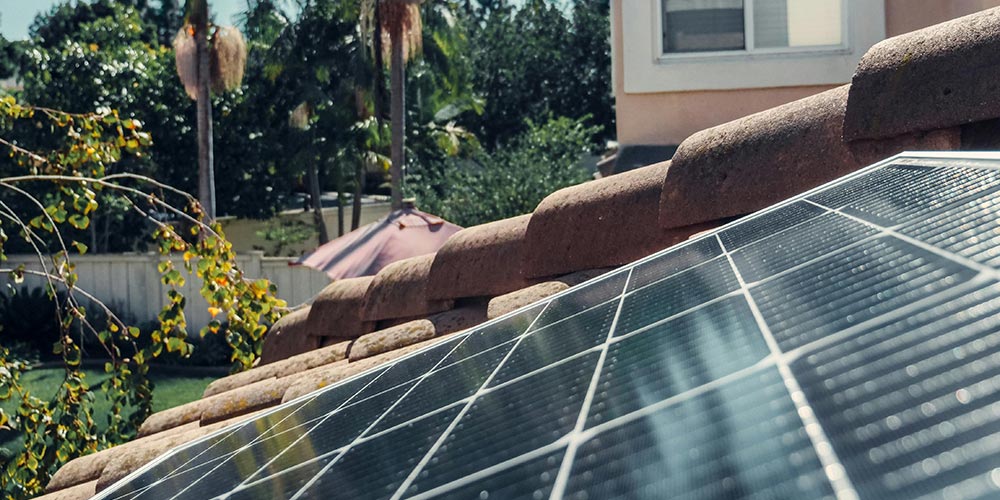
If you’re building a home in California, it must have solar photovoltaic (PV) systems that are suitable for the size, layout, and anticipated energy consumption of your house. If your roof isn’t ideal for solar power, California residential building codes allow you to use an approved community solar program instead. Many homes must also be built so a battery can easily be installed in the future.
Wildfire-Resistant Construction
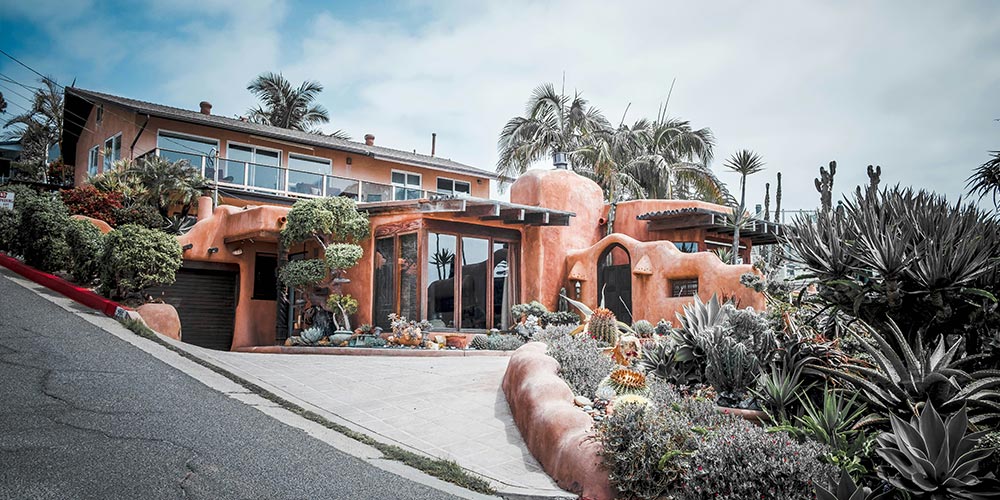
Much of California is inside the Wildland Urban Interface (WUI), and recent laws continue to enforce strict standards for the prevention of wildfires. Here are some requirements if you are considering building a home in California that is located in a WUI zone:
Class A Fire-Rated Roofing Materials
Class A roofs are designed to withstand embers landing on the roof, which is a leading cause of home ignition during wildfires. These roofs provide maximum protection from fires and include composition shingles, clay or concrete tiles, and metal roofing panels.
Ignition-Resistant Siding
Siding materials must be able to endure extended exposure to heat and not catch fire when hot ashes and debris blow against the walls. Sidings that meet this requirement include stucco, masonry, stone veneer, fiber cement, metal, and fire-treated wood siding.
Tempered, Dual-Pane Windows
When building a home in California, it’s important to know that during a wildfire, a tremendous amount of heat can cause an average window to break easily. However, tempered, dual-pane glass significantly increases heat resistance and prevents glass from breaking. These reinforced windows can stop flames and embers from entering a home.
Protecting Homes from Fire Risks
At 5blox, we understand exactly how to build houses in California in full compliance with residential building codes. In WUI zones, homes are required to have enclosed eaves, fine-mesh vents, and a cleared, defensible space. These factors work together to stop embers from entering attics or igniting surrounding areas.
Structural and Seismic Requirements
Property owners who are considering building a home should understand that California’s 2025 code requires stronger structures. Homes need to be built with more stringent wall and bracing standards in addition to strengthened connections between foundations, framing, and roofs, as well as engineered plans for hillside or complex lots.
Most new buildings also need soil reports to ensure there is adequate stability in the structure of new developments. Working with a builder who understands modern seismic design, like 5blox, is essential for meeting these requirements and ensuring your home is structurally sound.
Water Efficiency and Plumbing Upgrades
Water regulations are influenced by California’s ongoing drought concerns. Building a home in California now requires compliance with the following residential building codes:
- EPA water fixtures like faucets, toilets, and showerheads certified by WaterSense
- Efficient hot water distribution systems, like insulated piping
- Low-water-use landscapes, like plants that need little irrigation
- Smart irrigation controllers that skip irrigation after rainfall
Electrical Requirements
Knowing how to build a house in California means staying up-to-date with the latest electrical requirements. New homes must have updated grounding systems, electrical panels sized for future modifications, and a dedicated 208/240-volt electrical vehicle (EV) charging circuit. These improvements ensure that homeowners can quickly switch to all-electric systems without costly renovations.
Build Smarter With 5Blox
Building a home in California means navigating evolving codes, and having the right team like 5blox on your side can make all the difference. 5blox handles every stage of the process, from design and permit-related requirements to home renovations and new construction, ensuring your project complies with California’s residential building codes. Book a free walkthrough with 5blox today and partner with one of LA’s leading design agencies.

Interior Designer
Emanuel Herrera brings a sharp eye for color, texture, and layout to home remodeling, drawing on his background in fashion and business. Trained at FIDM and experienced as a business owner and production assistant, he combines creative vision with strong project management skills. From concept to completion, Emanuel excels at translating client needs into stylish, functional spaces—curating mood boards, sourcing materials, and overseeing execution. Whether refining a kitchen layout or designing a bold, statement bath, his work balances aesthetics with practicality, delivering personalized interiors that elevate everyday living.