


Key Takeaways
- 3D interior rendering takes the guessing out of decision-making by showing the client exactly how a space will look pre-construction
- One of the main reasons why 3D rendering is important is that it allows quick revisions without the cost of changes during construction.
- Some of the main benefits of 3D rendering for interior design include better client transparency, faster approvals, and an easier collaboration process.
Creating your dream home starts with your vision – and its designers who help make that vision a reality. Before contractors lift a finger, there needs to be a clear picture of what will be built to show clients. That’s where renderings for interior design come in.
Whether with a technical 2D rendering or a 3D rendering, visualization is vital to the success of any project. It’s the first step to the dream home makeover.
Why is 3D rendering important to that process?
Some designers have turned to the more dynamic 3D renderings for interior design to create a more immersive experience that captures every detail, pattern, texture, lighting effect, and other decorative element for clients.
Let’s examine the benefits of 3D rendering for interior design.
Visualize the Final Result with 3D Interior Rendering
One of the most significant reasons why 3D rendering is important in interior design project management is its realistic production of the finalized project. Unless you’re an experienced architect or contractor, you’re probably unable to imagine your new space through a traditional blueprint or drawing.
Even a verbal description can be challenging to understand. But 3D renderings offer an unmatched level of clarity and realism.
- They eliminate guesswork about how spaces will look post-project, from the proposed room layouts to the scale and proportions of the project.
- They offer photorealistic images of the finished project.
- They provide an immersive experience that depicts elements like lighting, textures, flooring, finishes, room layouts, and more.
It also helps with the understanding of how projects will develop. This way, clients can see their vision made a reality, and designers can tailor the space to their needs and any suggested modifications.
Helps Save Time and Costs
Whether you’ve been through a complete home remodel before or are entirely new to the process, you’re likely aware of how time-consuming projects can be. And it’s not just the construction; it’s the rendering, too.
But I thought 2D renderings were quick to produce?
They can be – until alterations are necessary.
Designers are working to create the closest replication of the client’s vision possible, taking their desires and formulating a visual representation that clients will either approve of or offer feedback. It’s not uncommon for clients to suggest alterations. This is why 3D rendering is important. Clients should feel free to provide feedback, considering that the rendering guides their custom remodeling project.
Using 3D renderings for interior design will save time with those alterations, enabling designers to change elements like flooring and layout. In addition to its flexibility, it also saves time when explaining the complexities of a schematic 2D rendering.
Improves Collaboration & Client Experience
It’s your home, time, and full home renovation budget. You should get the final say in how the project will look when finished. That’s why 3D rendering is so important. It helps you, the client.
A more personalized, collaborative experience is one of the major benefits of 3D rendering for interior design. Interior designers and clients work together to create the best possible design.
Clients can’t give vital feedback without understanding what they’re looking at! They can confidently make well-informed decisions and design suggestions by presenting a realistic (and easier-to-understand) project view.
Allows Revisions Before Construction Begins
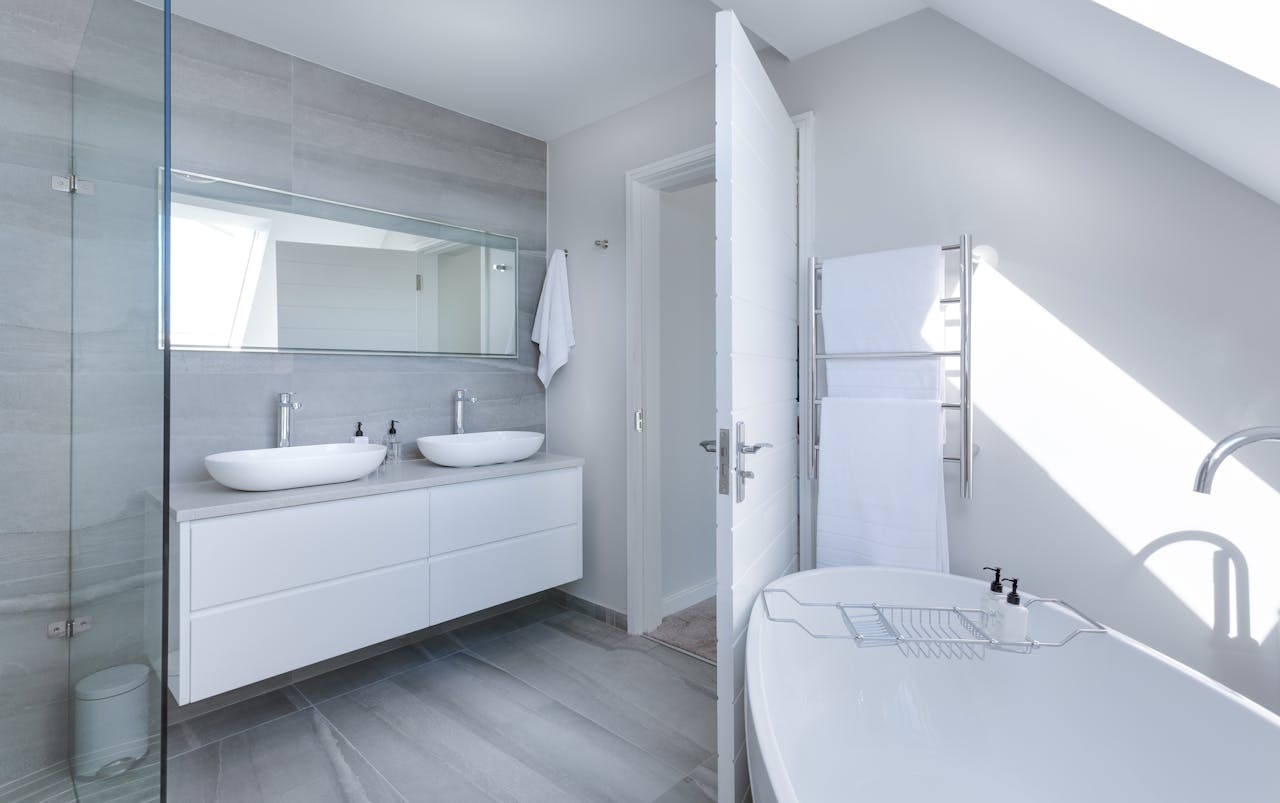
What else can 3D rendering do for interior design? One of the main reasons why 3D rendering is important is that it makes revision much easier and faster before construction. Others on the remodeling team may recognize design flaws or structural issues that must be changed.
Clients may have new ideas or feel that an aspect of the rendering doesn’t align with their vision. We can immediately make subtle or large modifications without designing the rendering from scratch.
While it may not seem significant, revision during this stage helps prevent costly or difficult-to-fix mistakes. It takes a more proactive approach. Any issues are resolved early, saving time and resources spent fixing them during new home construction. This helps provide a smoother client experience and improves the project outcome.
Provides a Better Understanding of the Project
Another reason why 3D rendering is important in interior design is that it helps align designers and clients with projects. As a clear representation of the interior design project, the rendering lets clients know exactly what to expect once it’s finished. Clear expectations are critical to any project’s success; there shouldn’t be any surprises – unless they’re positive ones, of course!
Similar to the use of industry jargon, overly complex renderings or drawings aren’t of much help to clients, who don’t often have an in-depth knowledge of the technical side of interior design. Visually captivating 3D renderings for interior design help to engage clients and help them understand the approach and design plan. They should be able to navigate the interior space laid out and set their expectations with the project, which is why an intuitive 3D interior rendering is important to the project.
Easily Show Possible Design Concepts
Clients have countless choices regarding their interior design projects, from each room’s color scheme to their lighting. One of the reasons why 3D renderings are so important is that they provide a quick and straightforward way to show clients these distinct possibilities.
Rather than having to imagine the visual from a designer’s verbal description, 3D renderings for interior design can show how lighting can affect the atmosphere and mood of the space. They can show how furniture can impact the flow of a room.
This helps clients make more informed decisions that help refine the final design.
Why 3D Rendering is Important
One of the benefits of 3D rendering for interior design is that your vision becomes a reality.
Visualize your final project, better understand the project, get design inspiration, and more with 3D interior renderings. Speak with an expert to discuss your home remodeling goals today!